Online Shopping
Order fulfilment against live warehouse stock — confirmations, shipments and returns.
A warehouse-backed order pipeline. An order moves pending → confirmed → fulfilled → in transit → delivered while messaging a regional warehouse that tracks per-product stock as field families, reserves units, dispatches a shipment, and branches first-match-wins on availability. Cancellations and returns run the protocol in reverse. The scenario ships in three forms — a tick clock, an event clock, and a file-backed catalog variant.
A rich relational graph for analytics: customers, orders, line items, shipments and warehouses all resolve through foreign keys, and stock moves are conserved end-to-end. Demonstrates request/response messaging, field families (per-product counters) and the engine's two clock models over one unchanged domain.
Linked tables with guaranteed referential integrity.
Generated REST endpoints. Also exposed as MCP tools.
OSI-compatible definition, emitted with the dataset.
# online-shopping.osi.yaml — emitted automatically
semantic_model:
  name: "online-shopping"
  source: "duckdb://online-shopping.db"
  entities:
    - name: order
      primary_key: id
  dimensions:
    - name: state
      type: categorical
    - name: t
      type: time
  measures:
    - name: row_count
      agg: count
    - name: active
      agg: sum
      filter: "state = 'ACTIVE'"
More worlds.
 ▶ REPLAY
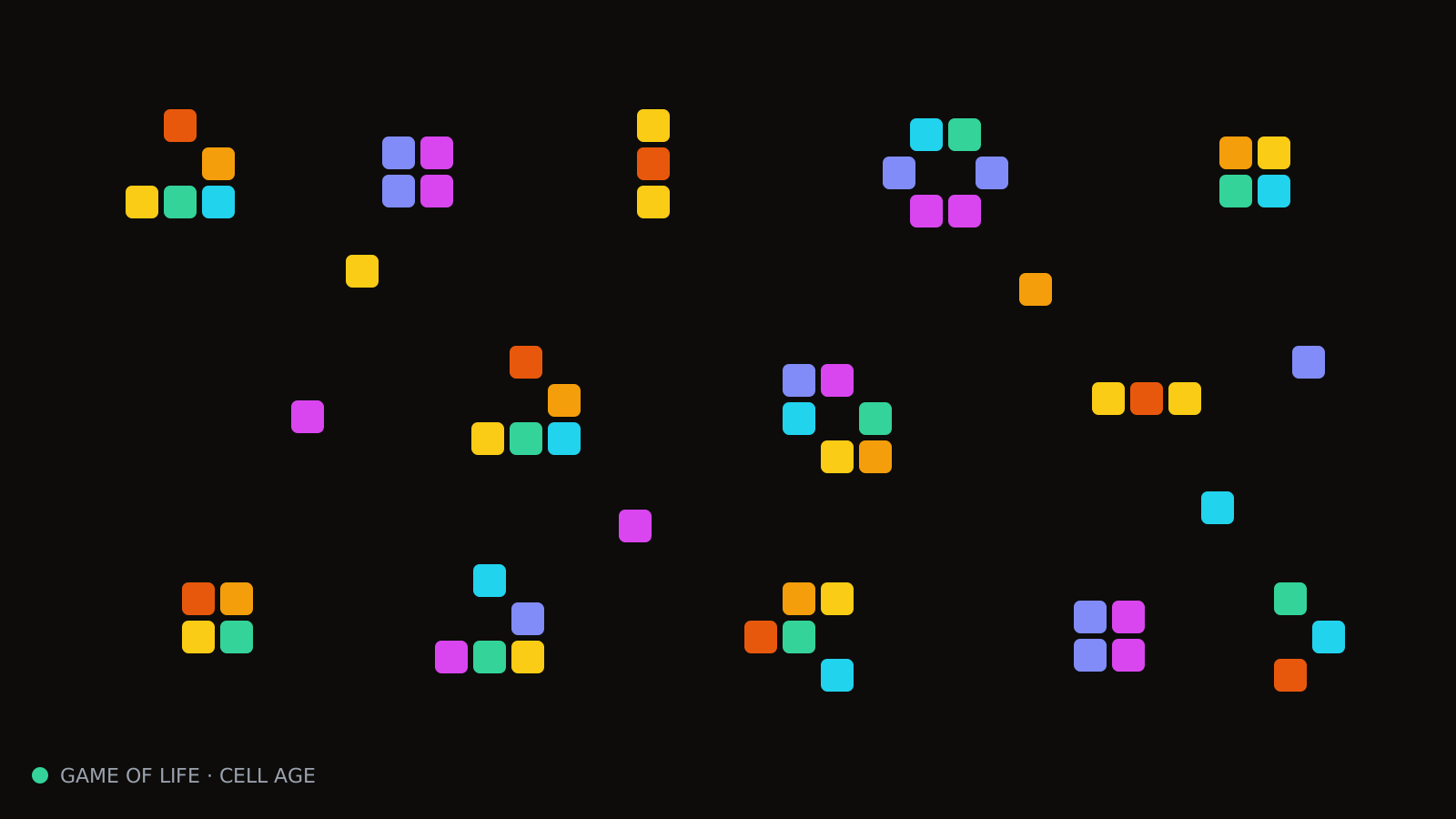
 Game of Life
Conway's automaton as a perfectly observable, deterministic grid world.
 ▶ REPLAY
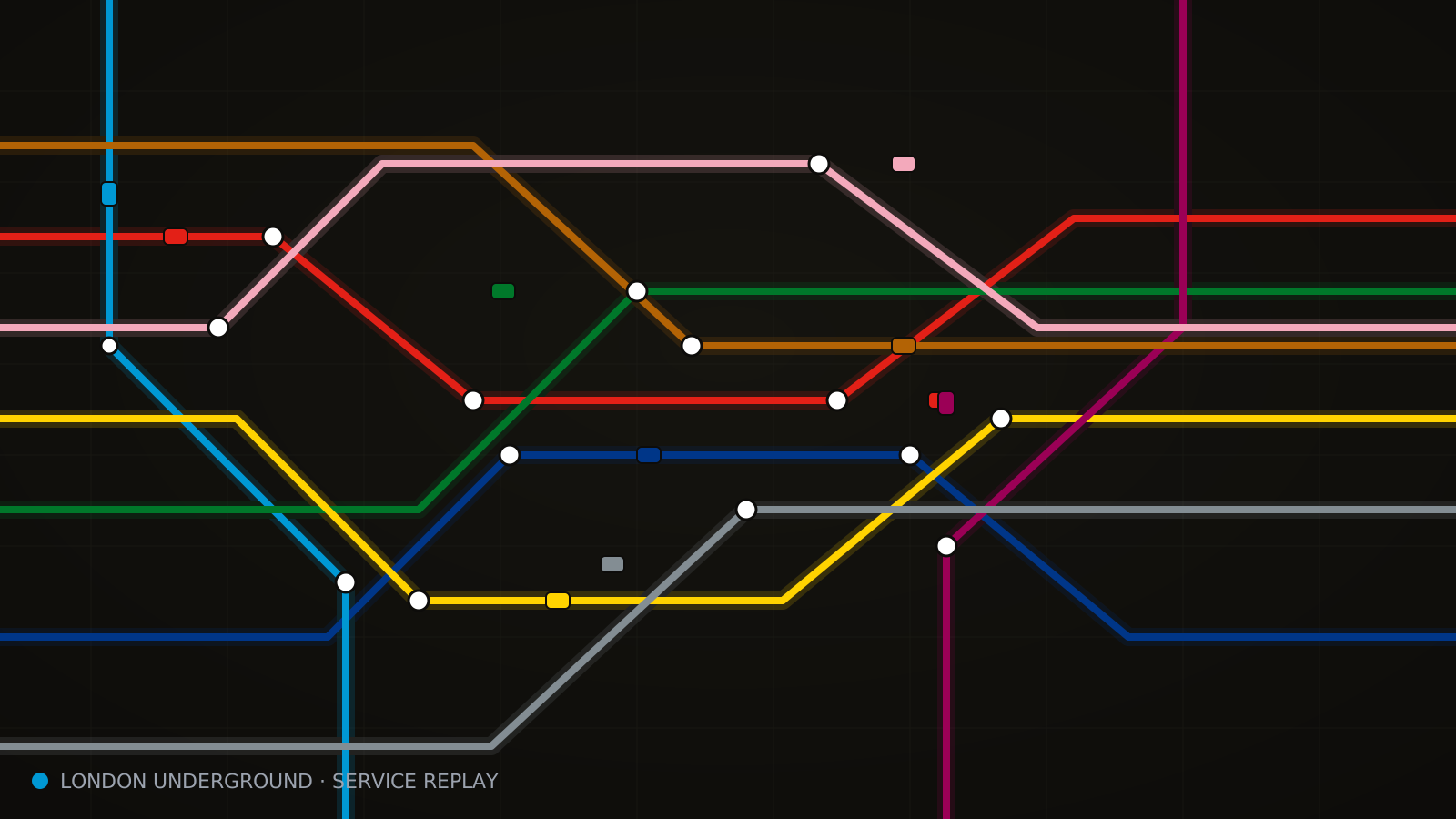
 London Underground
A live tube graph — eleven lines, hundreds of trains, platforms held as a mutex.
 ▶ REPLAY
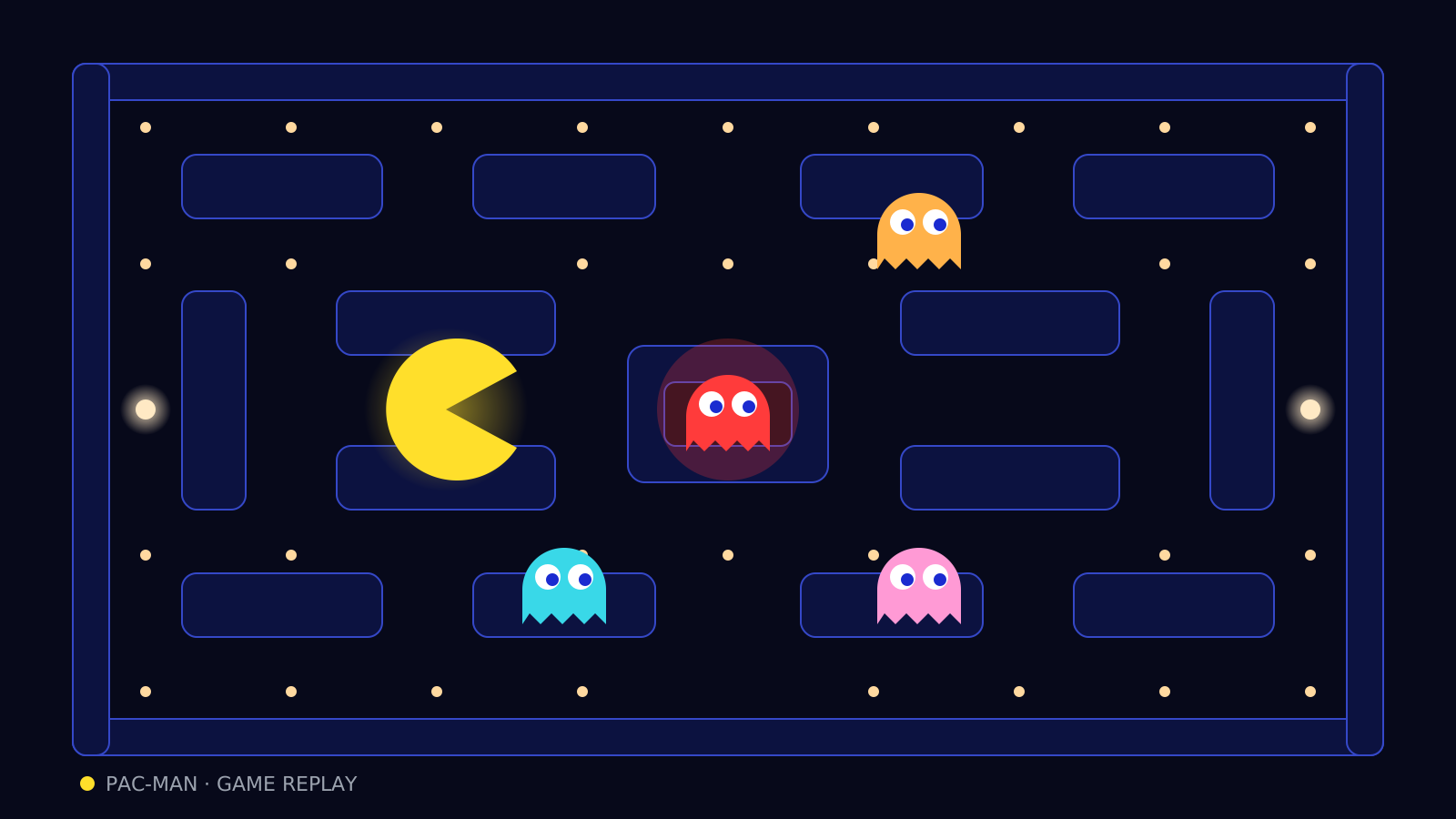
 Pac-Man
A self-playing arcade game — ghosts chase a flood-filled distance field.